Test Services Page
Our team provides training for individuals, institutions, and organizations across the country to optimize research mentoring relationships. Learn more about each training below, including how to attend or host one. If you have questions, please contact us.
On this page
Entering Mentoring
Train mentors of any career stage using the Entering Mentoring curricula.
Entering Research
Train undergraduate and graduate trainees using the Entering Research curriculum.
Mentoring Up
Train postdoctoral scholars and junior faculty to serve as mentors and/or mentees using the Mentoring Up curriculum.
Facilitating Entering Mentoring
Train facilitators and increase capacity to offer mentor training based on the Entering Mentoring curricula at your organization/institution.
Facilitating Entering Research
Train facilitators and increase capacity to offer training to trainees based on the Entering Research curriculum at your organization/institution.
Before requesting a training, please consider the following questions:
I am interested in attending a training:
- Which type of training are you interested in? (research trainee, research mentor, facilitator)
- When would you like to attend a training? (spring, summer, fall, winter or exact dates)
I am interested in hosting a training at my institution/organization:
- What type of training are you interested in? (research trainee, research mentor, facilitator)
- When would you like to host a training? (spring, summer, fall, winter or exact dates)
- In which curriculum are you interested? (e.g., Entering Mentoring for mentors, Entering Research for trainees (undergraduate/graduate), Mentoring Up Postdoctoral Scholar/Junior Faculty curriculum)
- In which topics are you interested? (see list of mentor and trainee training topics below)
- How many attendees do you expect?
- Who is the target audience? (undergrads, grads, postdocs, junior faculty, senior faculty, program directors, administrative personnel)
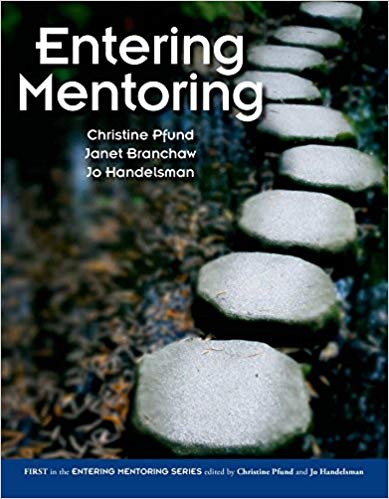
Entering Mentoring
Research mentor training is an evidence-based, interactive approach that engages mentors in collective problem solving and connects them with resources to optimize their mentoring practices. The curricula, called Entering Mentoring, are for mentors of research trainees. It was originally developed for mentors across science, technology, engineering, mathematics, and medicine (STEMM) disciplines at different career stages, working with undergraduate and graduate students, postdoctoral fellows, and junior faculty. The training is designed to help mentors develop skills for engaging in productive, culturally responsive research mentoring relationships — relationships that optimize the success of both mentors and mentees. Read more about the development of these training materials.
These curricula address important topics and concepts in research mentoring by creating learning communities and engaging mentors in activities, assignments, case studies, and facilitated discussions to solve mentoring dilemmas and share successful mentorship strategies. Themes include:
- Aligning Expectations
- Addressing Equity and Inclusion
- Articulating Your Mentoring Philosophy and Plan
- Assessing Understanding
- Cultivating Ethical Behavior
- Enhancing Work-Life Integration
- Fostering Independence
- Maintaining Effective Communication
- Promoting Mentee Research Self-Efficacy
- Promoting Professional Development
- And more in development
The Entering Mentoring curricula series addresses the new NIGMS guidelines on preparing mentors for training grants.
Research mentor training based upon Entering Mentoring has been tested and shown to be effective in increasing mentoring knowledge, skills, and behavior. Furthermore, culturally responsive interactions between mentors and mentees can help historically underrepresented mentees successfully progress in their research careers, becoming effective mentors, scientific leaders, and research team members of the future.
Research mentor training is for research mentors working with undergraduate and graduate students, postdoctoral researchers, and junior faculty across disciplines.
We offer customizable research mentor training workshops led by CIMER Trainers. Customized workshops, ranging from a few hours to a full day or two, are available for mentors of undergraduate students, graduate students, postdoctoral fellows, or junior faculty who work with trainees across disciplines. Please complete this online form to request a workshop at your institution or organization.
Entering Research: Training for Undergraduate and Graduate Research Trainees
Entering Research is an evidence-based, active learning curriculum designed to level the research playing field for undergraduate and graduate research trainees from historically underrepresented groups, introduce trainees to the culture of research, support development of the skills trainees need to successfully navigate the research training environment and their mentoring relationships, and create a more welcoming research environment for all trainees.
This curriculum was originally developed for use with trainees across science, technology, engineering, mathematics, and medical (STEMM) disciplines. You can read more about the development of these training materials here. The curriculum for postdoctoral researchers and junior faculty integrates topics from Entering Research and Entering Mentoring to develop “mentoring up” skills. These curricula were originally developed for use with trainees across the science, technology, engineering, mathematics, and medicine (STEMM) disciplines. Read more about the development of these training materials.
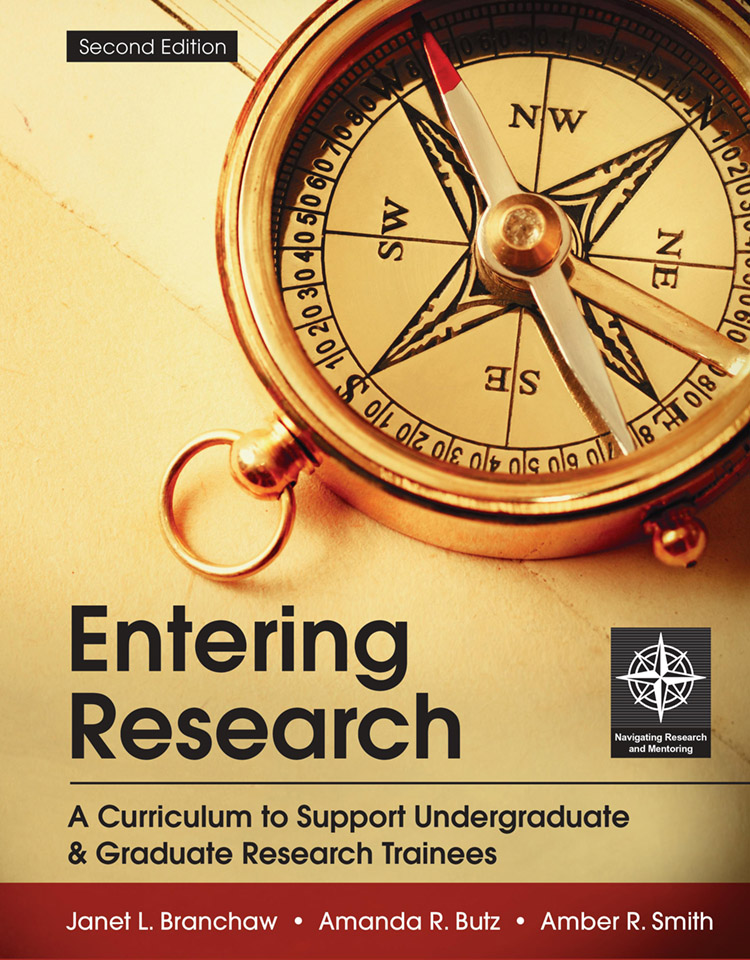

The Entering Research curriculum addresses the seven areas of trainee development defined in the Entering Research conceptual framework by creating learning communities and engaging trainees in activities, assignments, case studies, and facilitated discussions.
- Research Communication & Comprehension Skills
- Practical Research Skills
- Research Ethics
- Researcher Identity
- Researcher Confidence & Independence
- Equity and Inclusion Awareness & Skills
- Professional & Career Development Skills
- The Entering Research curriculum addresses the seven areas of trainee development defined in the Entering Research conceptual framework by creating learning communities and engaging trainees in activities, assignments, case studies, and facilitated discussions.
- Research Communication & Comprehension Skills
- Practical Research Skills
- Research Ethics
- Researcher Identity
- Researcher Confidence & Independence
- Equity and Inclusion Awareness & Skills
- Professional & Career Development Skills
- Mentoring Skills (see Entering Mentoring curriculum)
Trainees need to develop the skills to work effectively with their mentors and navigate the research environment. Entering Research training is an evidence-based, structured approach to help trainees develop these skills.
Entering Research is for undergraduate and graduate research trainees.
Ideally, Entering Research is implemented by local facilitators (typically research training program directors) over many weeks, months or semesters as trainees engage in their research learning experiences. However, select components of the curriculum can be implemented as stand-alone workshops facilitated by CIMER Master Facilitators or local trained facilitators.
Entering Research training materials are available on the training materials section of the CIMER website. A hard copy of the curriculum is available from Macmillian Learning.
Although Entering Research is typically led by local program directors (and others working with trainees), we offer customizable workshops led by CIMER Trainers. Please complete this online form to request a workshop at your institution or organization.
We offer facilitator training, called Facilitating Entering Research, for those interested in learning how to design and implement a custom Entering Research training curriculum at their own institution or organization.
Mentoring Up: Training for Post-Doctoral Scholars and Junior Faculty
Mentoring Up is an active learning approach designed for post-doctoral scholars and junior faculty to support the development of the skills needed to successfully navigate the research training environment and proactively manage their mentoring relationships. The curricula integrate topics from Entering Research and Entering Mentoring to develop mentoring up skills. These curricula were originally developed for use with trainees across the science, technology, engineering, mathematics, and medicine (STEMM) disciplines. Read more about the development of these training materials.
These curricula address important topics and concepts in research mentoring and training by creating learning communities and engaging post-doctoral scholars and junior faculty in activities, assignments, case studies, and facilitated discussions to solve mentoring dilemmas and share successful mentoring up strategies. Themes include:
- Building Research Self-Efficacy
- Aligning Expectations
- Maintaining Effective Communication
- Addressing Equity and Inclusion
- Enhancing Work-Life Integration*
- Fostering Independence
- Promoting Professional Development
*Unique to the curriculum for junior faculty
Post-doctoral scholars and junior faculty can benefit from continually learning to proactively shape their mentoring relationships and their work environments. Mentoring Up training helps these early-stage investigators better understand themselves and their needs and effectively navigate their relationships and climates to ensure those needs are met.
Mentoring Up is for post-doctoral scholars and junior faculty.
Ideally, Mentoring Up is implemented by local facilitators over many weeks, months or semesters as scholars engage in their mentoring relationships. However, the curriculum can be implemented as stand-alone workshops facilitated by CIMER Master Facilitators or local trained facilitators.
We offer customizable research mentor training workshops led by CIMER Trainers. Customized workshops, ranging from a few hours to a full day or two, are available to postdoctoral fellows and junior faculty across disciplines. Please complete this online form to request a workshop at your institution or organization.
Facilitating Entering Mentoring: Training for Facilitators to Increase Institutional Capacity
Facilitating Entering Mentoring is a two-day workshop designed to increase the capacity for research mentor trainings offered at colleges and universities, research institutes, and governmental organizations.
During this workshop, participants are introduced to the Entering Mentoring curricula, which addresses the following themes: aligning expectations, addressing equity and inclusion, articulating your mentoring philosophy and plan, assessing understanding, cultivating ethical behavior, enhancing work-life integration, fostering independence, maintaining effective communication, and promoting professional development. Workshop participants become familiar with the curricula, practice facilitating training components, and develop a plan for implementing the training at their institution or organization.
Quality mentoring is an important contributor to the success of researchers across all disciplines and career stages. Facilitator training empowers facilitators to implement evidence-based mentorship training at their home institutions or organizations.
Facilitating Entering Mentoring is available for faculty, instructors, staff, or administrators who are committed to implementing research mentor training workshops based upon Entering Mentoring at their institution or organization for mentors.
If you are interested in learning how to facilitate and implement research mentor training at your institution or organization, we offer public facilitator training workshops. To maximize your investment, we recommend that you facilitate research mentor training within one year of attending facilitator training. To join our listserv to learn about upcoming Facilitating Entering Mentoring workshops open to the public, please complete this online form.
CIMER Trainers are available to come to your institution or organization and conduct a two-day Facilitating Entering Mentoring workshop for up to 32 faculty, instructors, staff, or administrators who are committed to implementing research mentor training workshops at their institution or organization. To maximize your investment, we recommend that each participant have the opportunity to facilitate research mentor training within one year of attending facilitator training. Please complete this online form to request a workshop at your institution or organization.
Facilitating Entering Research: Training for Facilitators to Increase Capacity
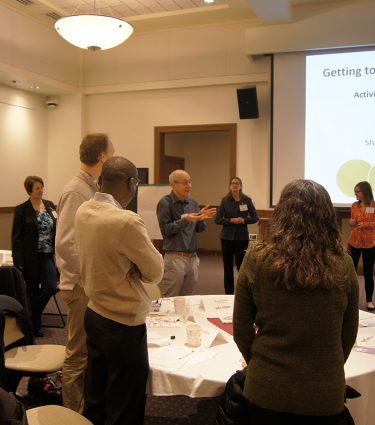
Facilitating Entering Research is a two-day workshop for leaders of research training programs (undergraduate or graduate) who want to build and deliver a customized workshop or course for their research trainees.
During this workshop, research training program leaders are introduced to the Entering Research curriculum, which has nearly 100 activities that address seven areas of trainee development: research communication & comprehension skills; practical research skills; research ethics; researcher identity; researcher confidence & independence; equity & inclusion awareness & skills; and professional & career development skills. Workshop participants become familiar with the curriculum, practice facilitating training components, and develop a plan to design, implement, evaluate, and assess a custom training at their institution or organization
Undergraduate and graduate research training programs are important contributors to the success of research trainees across all disciplines and career stages. Facilitator training empowers program directors and facilitators to implement evidence-based training at their home institutions or organizations.
Facilitating Entering Research is available for training program directors, faculty, postdoctoral fellows, instructors, staff, or administrators who are committed to implementing research mentee training courses, seminars, or workshops at their institution or organization for undergraduate or graduate trainees.
Facilitating Entering Research participants will:
- Learn about the seven areas of trainee development that serve as the framework for the second edition of Entering Research and become familiar with the curriculum.
- Develop their facilitation skills and be able to articulate the difference between facilitating and teaching.
- Learn about workshop evaluation and trainee learning assessment tools that will be available to them.
- Build their mentee training implementation curriculum by aligning the trainee development areas, curricular materials, and evaluation and assessment tools they identified.
- Develop practical plans for implementing Entering Research training at their home institution.
- Identify challenges they may face in implementing at their home institution and strategies they could use to address them.
If you are interested in learning how to facilitate and implement Entering Research at your institution or organization, we offer public facilitator training workshops that you can register for with one or two colleagues from your institution. To maximize your investment, we recommend that you facilitate research mentee training within one year of attending facilitator training. Subscribe to learn about upcoming Facilitating Entering Research workshops open to the public.
CIMER Trainers are available to come to your institution or organization to conduct a two-day Facilitating Entering Research workshop for up to 32 program directors committed to implementing research mentee training courses, seminars, or workshops for undergraduate or graduate trainees at their institution or organization. To maximize your investment, we recommend that each participant have the opportunity to facilitate Entering Research training within one year of attending facilitator training. Please complete this online form to request a workshop at your institution or organization.